What's the Best Age to Start Dance Classes?
What's the Best Age to Start Dance Classes?
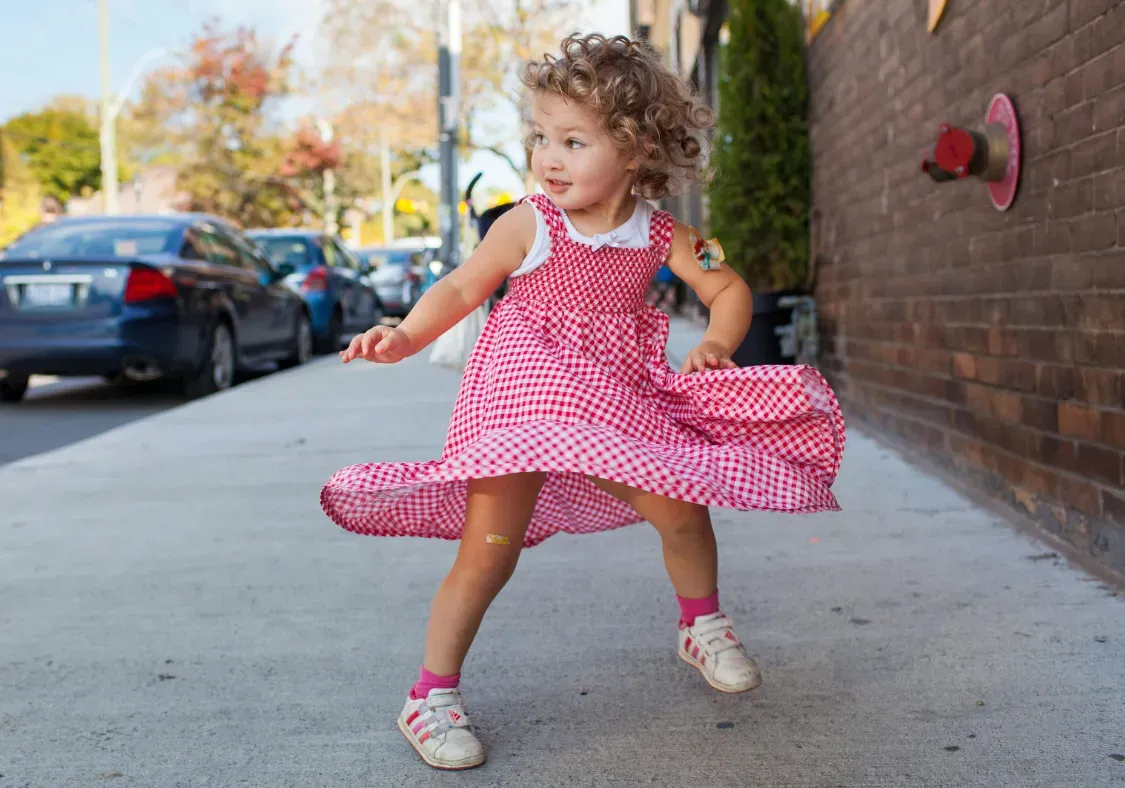
If you've ever watched your toddler spin in circles in the living room, perfectly on beat (of course), and thought, "This child was born to dance," you're not alone. Every parent has had that moment. The real question isn't whether your little one has talent. It's when they're actually ready to start building on it.
At Southeast School of Dance, we start dancers at age 3. Here's why that age works so well, and what to expect when your child walks through our doors for the first time.
Why Age 3 Is the Sweet Spot
Three-year-olds are in the middle of a developmental growth spurt that makes them perfectly suited for their first dance class.
By this age, most children can:
- Follow simple, one-step instructions from someone other than a parent (and let's be honest, that's often easier than getting them to listen to you)
- Balance briefly on one foot and coordinate basic movements
- Stay engaged with a group activity for short stretches of time
- Separate from a parent for part of a class, especially with a teacher who knows how to make that transition fun
That last point matters more than it might seem. A 3-year-old who can comfortably say goodbye at the studio door (even if it takes a wave through the window the first few times) is a 3-year-old who's ready to actually absorb what's happening in class, instead of spending the whole time looking for Mom.
Starting at 3 also means dancers build their foundation early and grow into it gradually, season after season, rather than trying to catch up later.
What a Foundations Class Actually Looks Like
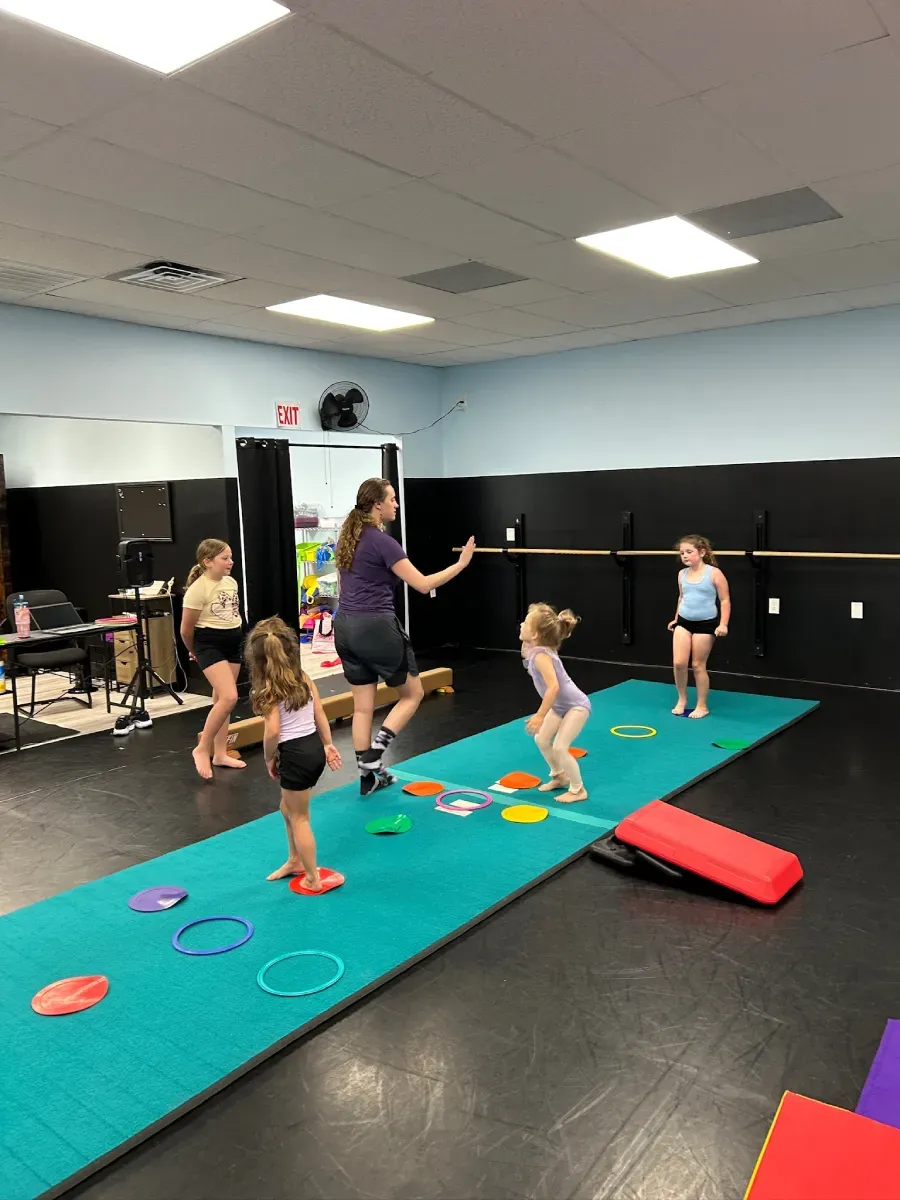
Foundations classes run 30 minutes, which is just the right amount of focus for this age group. We offer two classes at this level, Creative Movers and Tiny Tumblers, and we actually encourage dancers to take both, since each one builds a different set of skills.
Creative Movers starts with a warm-up circle set to fun, upbeat music. From there, dancers begin learning the real building blocks of dance technique: plié and tendu movements that teach how to bend and straighten the knees properly, using the arms along the way, plus how to rise up onto tiptoes with control. Mixed in, you'll find games designed to build imagination and body coordination, along with simple counting and rhythm work so dancers start connecting movement to the beat of the music.
Tiny Tumblers takes a more mat-based approach. Class opens with a warm-up on the mats, then moves into stretching, rolling, and jumping. Dancers practice connecting movements together, like a roly poly rolling right into a rocket ship launch, and animal-inspired warm-ups where they skip like a flamingo or crawl like a bear. It's playful on the surface, but it's quietly building strength, body awareness, and the ability to link one movement to the next.
In either class, your 3-year-old isn't just having fun (though they definitely are). Our teachers fill every class with bright, upbeat music and games designed to make learning feel like play, on purpose. The goal is simple: your dancer should be having so much fun that they don't even realize they're building real skills. Progress happens naturally, one giggly warm-up at a time, and they're laying the groundwork for every class that comes after.
It's Never Too Late to Start
Maybe your child is a little older and this is the first time dance has come up. Maybe they just watched a music video and announced, with total confidence, that they are now a dancer. Either way, good news: it's not too late. Kids who start dance at 5, 6, or beyond still have plenty of time to build strong technique and grow into confident, skilled dancers.
Older beginners typically start in our Introduction level, which covers the same foundational movements as our younger classes, just at a faster pace. Because older dancers can generally follow instruction more quickly and pick up new movements sooner, class moves along more efficiently without skipping any of the fundamentals.
So whether your child is 3 and ready for their very first "away from Mom" activity, or older and just discovering they love to move, there's a class built for exactly where they are.
Ready to Get Started?
The best way to know if your child is ready for dance is to bring them in and let them try it. Visit our Foundations Level page to learn more about our Creative Movers and Tiny Tumblers classes, and register here to schedule a free trial class and get your dancer started.
Recent Posts