Melody, Movement, Magic: How Dance Nurtures the Whole Child
"At Southeast School of Dance, We Build Our Entire Program Around Three Simple Words: Melody, Movement, Magic."
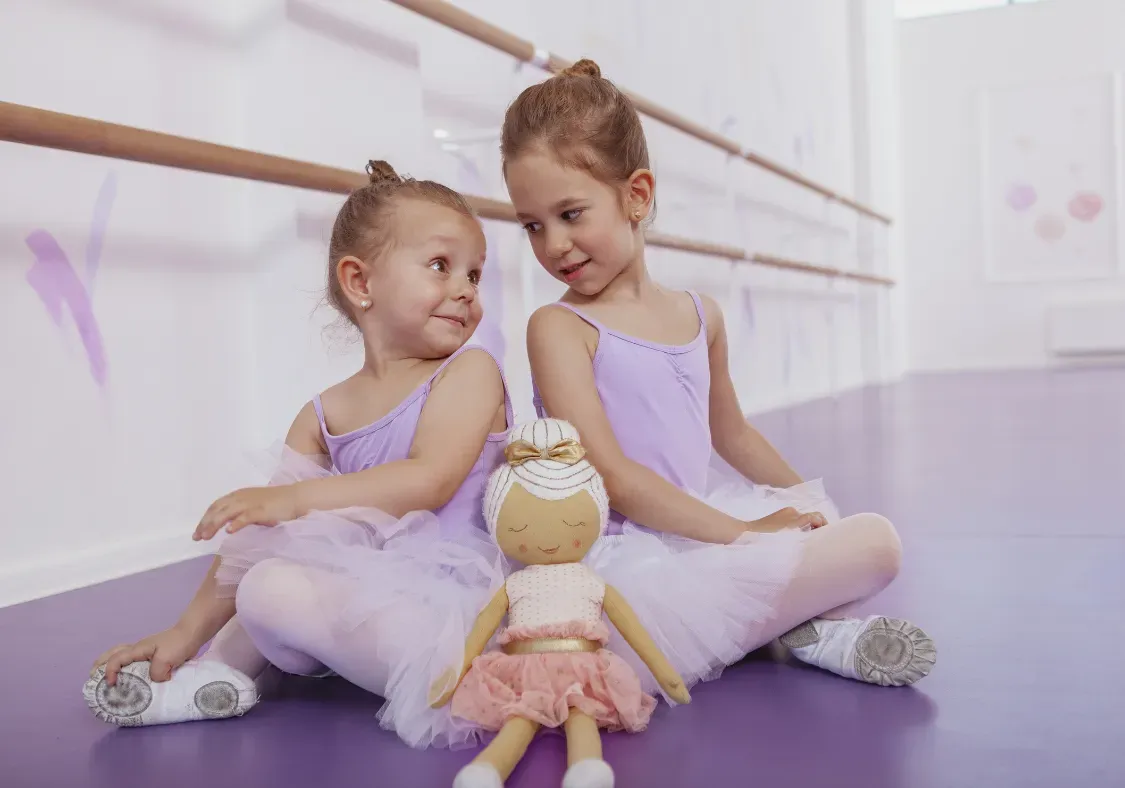
Walk past any dance studio on a Saturday morning and you'll hear it before you see it: music spilling into the hallway, little feet finding the beat, laughter mixed in with the counts. It looks like fun. And it is. But underneath that fun, something remarkable is happening in your child's brain and body.
At Southeast School of Dance, we build our entire program around three simple words:
Melody,
Movement,
Magic. Those words are more than a tagline. They're the three ingredients that make dance one of the most powerful activities you can offer a growing child.
Let's break down what's really happening in each one.
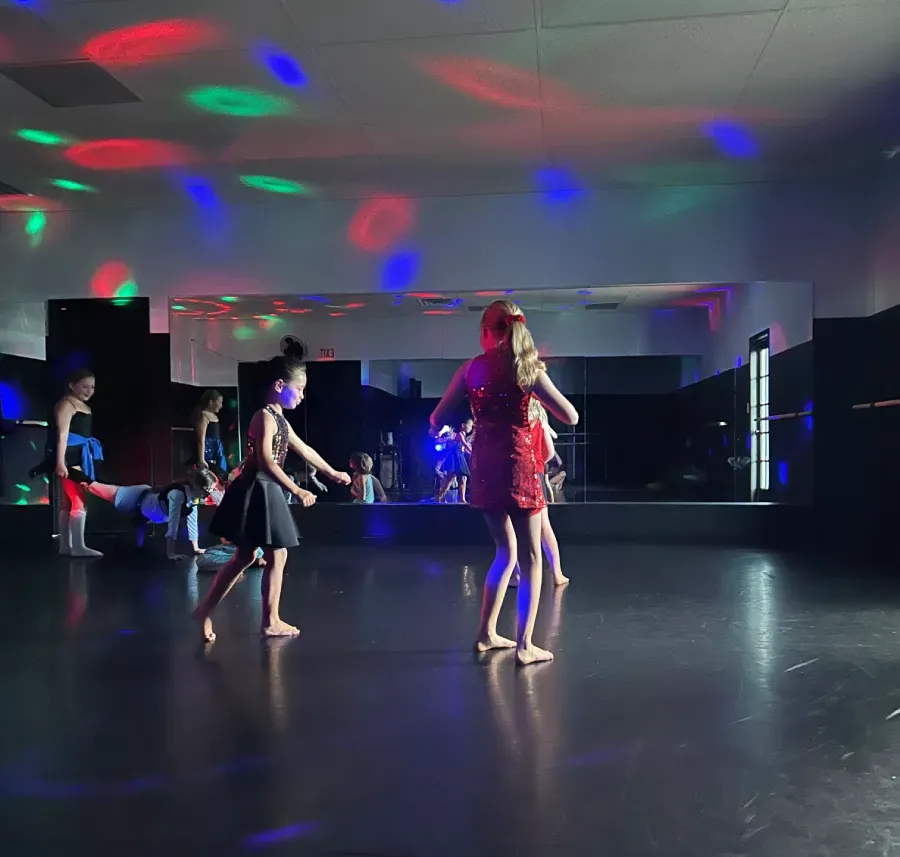
Melody: Music Is Doing More Than You Think
When your child hears music in class, their brain isn't just enjoying it. It's building itself.
A landmark study from the USC Brain and Creativity Institute followed children engaged in music training and found something striking: their auditory pathways matured faster than their peers who weren't making music. Lead researcher Assal Habibi and her team discovered that this pathway does more than process sound. It's also tied to speech perception, language development, and reading skills. In other words, the same neural wiring your child strengthens through music class is the wiring they'll lean on in the classroom.
Here's what music is doing behind the scenes:
- Building language and literacy skills by strengthening the brain's sound-processing pathways
- Improving memory and focus, since following counts and rhythms requires sustained attention
- Regulating emotion, as music has a well-documented calming and mood-lifting effect on children
- Encouraging connection, because moving to music together is naturally social
None of this requires your child to become a professional musician. Simply being immersed in music regularly, the way dancers are every single class, gives their developing brain a real advantage.
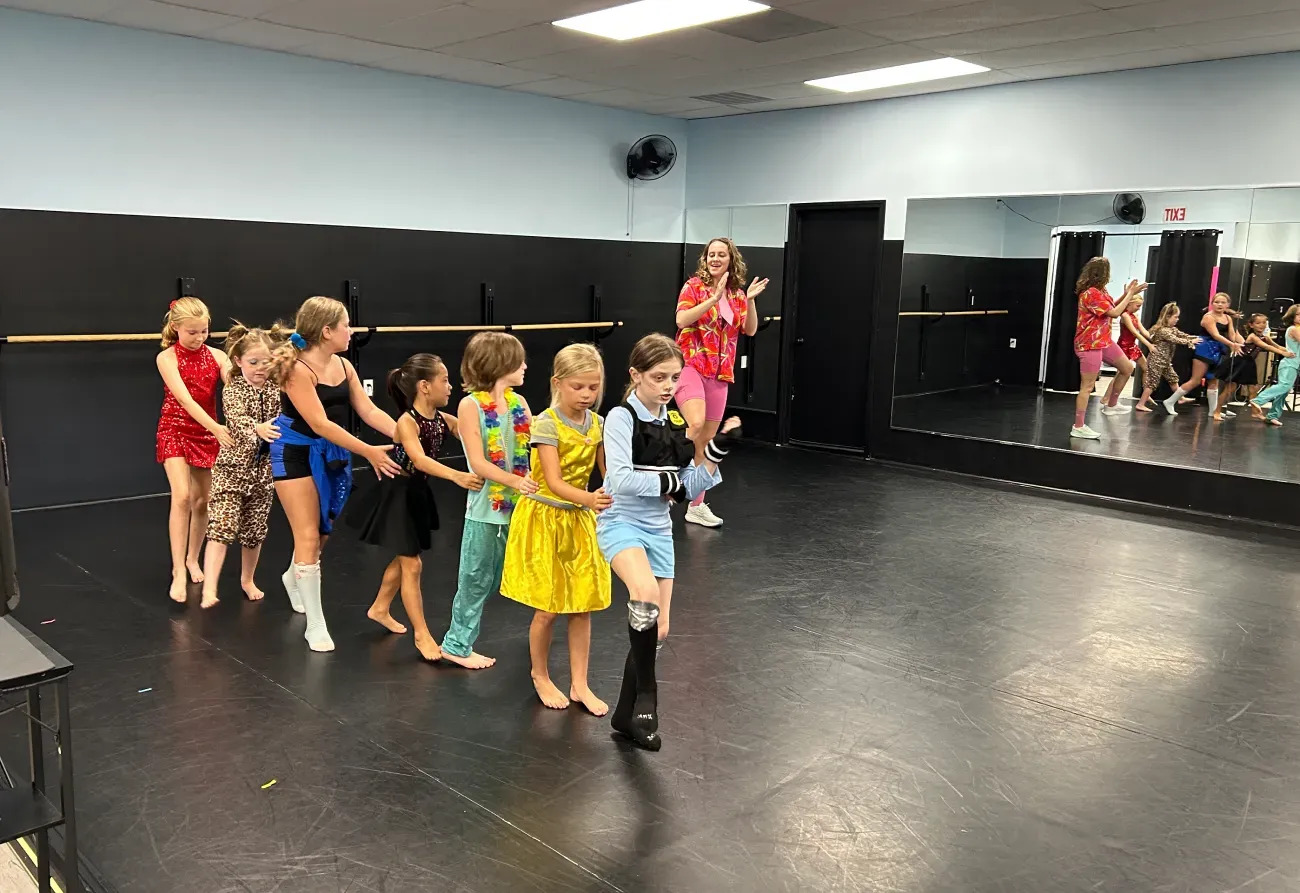
Movement: The Body Learns What the Mind Can't Teach Alone
If melody builds the brain, movement builds everything else, and it turns out those two things are more connected than most people realize.
Physical movement in early childhood supports:
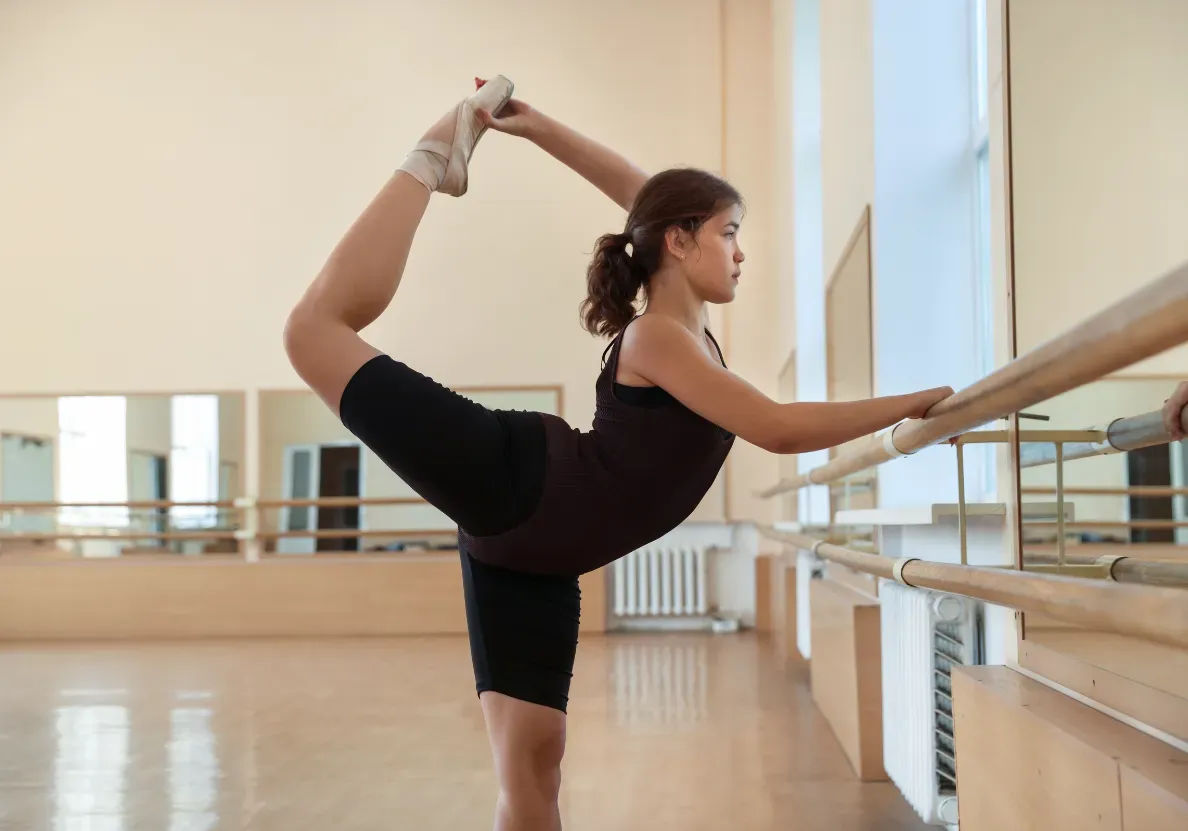
- Coordination and motor skills, as dancers learn to control their bodies with increasing precision
- Strength and flexibility, built gradually and safely through age-appropriate technique
- Spatial awareness, since dancers constantly track where their body is in relation to others
- Healthy exercise habits, established early and reinforced weekly
But movement isn't just physical maintenance. It's also cognitive work. Learning a sequence of steps requires memory, sequencing, and problem-solving in real time. Every combination a dancer learns is a small workout for the brain as much as the body.
There's an emotional layer here too. Movement gives children, especially young ones, a way to release energy and express feelings they may not yet have words for. A frustrating day at school can turn into a joyful one by the time class ends, simply because the body has to move.
Magic: What Dance Builds That You Can't Always See
This is the part parents often notice first, even if they can't quite name it. Their child walks a little taller. Speaks up a little more. Handles a mistake without falling apart.
That's the magic.
Peer-reviewed research backs up what studio owners and teachers see every week. A study published in
Frontiers in Psychology examined a dance intervention with children and found measurable increases in self-esteem, using the widely recognized Rosenberg Self-Esteem Scale, along with gains in academic self-efficacy and confidence. The children weren't just better dancers by the end. They believed in themselves more.
Here's what that magic actually looks like in a dance class:
- Confidence, built one mastered step at a time, week after week
- Poise, developed through performing in front of others and learning to own the moment
- Perseverance, since dance rewards practice and patience over instant results
- Teamwork, as dancers learn to move in sync, support each other, and celebrate group success
- Self-expression, giving children a healthy outlet for emotions words can't always capture
None of these show up on a report card. But ask any parent whose child has been dancing for a few years, and they'll tell you these are the skills that matter most.
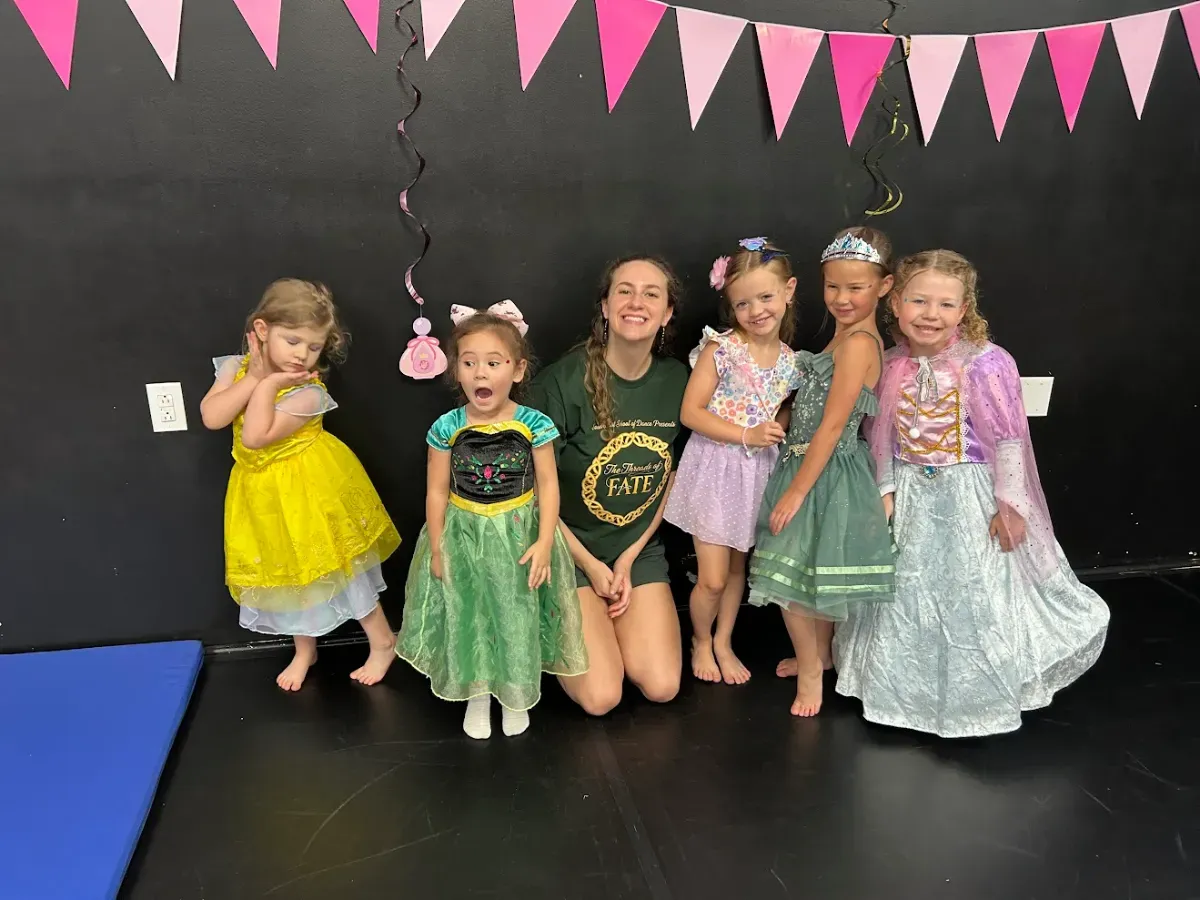
Why All Three Matter Together
Melody sharpens the mind. Movement strengthens the body. Magic shapes the character. Separately, each one offers real benefits. Together, inside a structured dance class, they reinforce each other in a way that few other childhood activities can match.
This is why we built our program the way we did. From our very first Creative Movers class through our upper levels, every class is designed to layer these three elements so dancers keep growing, season after season, not just as dancers, but as confident, capable kids.
See the Magic for Yourself
The best way to understand what melody, movement, and magic can do for your child is to watch it happen. Contact us today to schedule a free trial class and see firsthand how a single hour of music, movement, and joyful connection can make a real difference in your child's development.


Sources:
Habibi, A., Cahn, B.R., Damasio, A., & Damasio, H. (2016). Neural correlates of accelerated auditory processing in children engaged in music training. Developmental Cognitive Neuroscience, 21, 1–14. https://doi.org/10.1016/j.dcn.2016.04.003
Song, J., et al. (2025). Effects of a 16-week dance intervention on loneliness and self-esteem in left-behind children: A randomised controlled trial. Scientific Reports. https://www.nature.com/articles/s41598-025-87954-0
Schwender, T.M., et al. (2018). Effects of dance interventions on aspects of the participants' self: A systematic review. Frontiers in Psychology, 9, 1130. https://doi.org/10.3389/fpsyg.2018.01130
Recent Posts